

Building a Better Scuba Kit: Five Pieces of Gear Every Diver Should Understand
By Chris Hart, IMC, Navy Veteran
One of the most common questions I get as a scuba instructor is simple:
"What gear should I buy?"
The honest answer is it depends.
The type of diving you plan to do, where you live, and your long-term goals all play a role. But whether you're taking your first scuba class, logging your 100th dive, or participating in the Veterans Outdoor Challenge, there are a few pieces of equipment that deserve extra attention.
The good news? You don't need to buy everything at once, and you definitely don't need the most expensive gear in the dive shop.
Instead, focus on building a system that is comfortable, reliable, and easy to use.
Start with a Balanced Rig
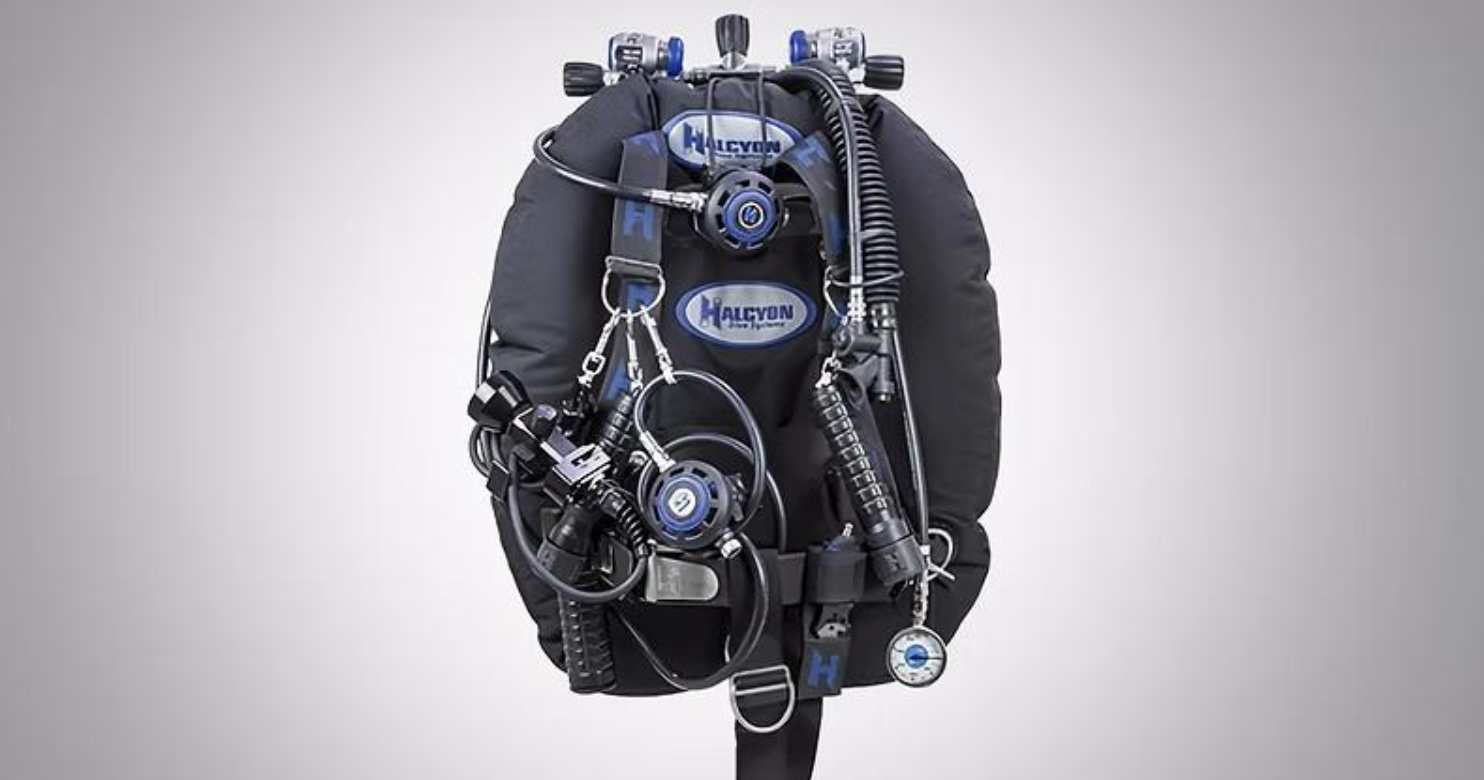
One of the concepts I teach students is the idea of a balanced rig.
Popularized by Global Underwater Explorers (GUE), the philosophy is straightforward: your equipment should work together as a complete system. Every piece of gear should have a purpose, and your overall setup should be balanced for buoyancy, trim, and safety.
In practical terms, that means:
Carrying only the equipment you need.
Avoiding unnecessary clutter and drag.
Ensuring you can safely manage your buoyancy throughout the dive.
Configuring equipment consistently so it's easy to find and use.
A balanced rig isn't about buying a specific brand. It's about making thoughtful choices that allow you to focus on the dive instead of fighting your equipment.
1. A Mask That Fits
If your mask doesn't fit, nothing else matters.
A good mask should seal comfortably against your face without excessive pressure. Low-volume masks are often easier to clear and create less drag in the water.
My advice? Ignore the marketing and try on as many masks as possible. The best mask is the one that fits your face.
2. A Reliable Buoyancy System
Your buoyancy compensator (BC) is one of the most important pieces of equipment you'll own.
While there are many styles available, I prefer a simple backplate, harness, and wing system. It's durable, streamlined, and adaptable as your diving progresses.
More importantly, it aligns well with the balanced rig philosophy. The system distributes weight efficiently, reduces unnecessary bulk, and allows divers to maintain better trim in the water.
Think of it as the foundation of your entire setup.
3. Regulators You Can Trust
Your regulators provide the air you breathe underwater.
That's not an area where I recommend cutting corners.
Look for regulators with a proven track record for reliability and serviceability. Modern primary-and-backup regulator configurations provide redundancy while simplifying emergency gas-sharing procedures.
The goal isn't complexity. The goal is confidence.
When you know your equipment works every time, you're free to enjoy the dive.
4. Simple Instruments
Divers have more technology available today than ever before.
Dive computers can track depth, time, decompression information, navigation, and much more. While these tools are incredibly valuable, simplicity still matters.
I prefer instruments that are easy to read, easy to access, and easy to understand.
A quality dive computer, pressure gauge, and compass will provide the information most divers need without unnecessary distractions.
5. Fins That Work
Good fins make every dive easier.
One of the biggest mistakes I see new divers make is selecting fins based solely on comfort in the dive shop.
Underwater performance matters.
Rigid paddle-style fins provide excellent propulsion, precise control, and work well across a variety of diving environments. They're particularly useful when learning skills such as back kicks, helicopter turns, and frog kicks.
My personal favorite? The Scubapro Jet Fin. It's not the newest design on the market, but it remains one of the most reliable.
Don't Chase Gear. Chase Experience.
It's easy to fall into the trap of thinking that the next piece of equipment will make you a better diver.
The truth is that experience, training, and time in the water matter far more than equipment upgrades.
Start with quality gear that fits your needs. Learn how to use it well. Dive often. Ask questions. Seek mentorship.
Most importantly, enjoy the process.
Scuba diving offers something few activities can: the opportunity to explore an entirely different world while building skills, confidence, and community along the way.
Whether you're participating in the Veterans Outdoor Challenge from a local quarry, a tropical reef, a kelp forest, or a freshwater spring, remember that great dives rarely begin with the perfect gear list.
They begin with curiosity, preparation, and a willingness to get in the water.
See you underwater.
Join us for the Veterans Outdoor Challenge with 25 days to honor 250 years of America and our outdoor legacy.
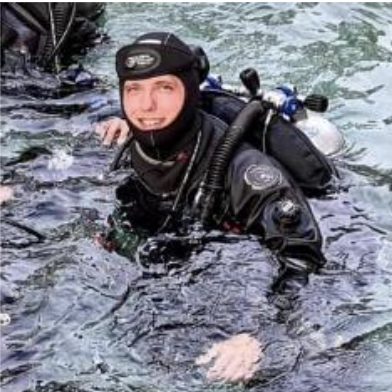
Chris Hart is a U.S. Navy Veteran, scuba instructor, technical diver, and owner of Hart Divers International. With more than 20 years of leadership, instructional, and operational experience, he has trained divers ranging from first-time students to advanced technical divers.
Chris holds instructor certifications through SDI, TDI, and PADI, and is a Global Underwater Explorers (GUE) Cave 2, Cave 1 and Tech 1 diver. His diving experience spans reefs, wrecks, caves, and cold-water environments throughout North America and the Caribbean. He is also certified as a Divers Alert Network (DAN) Instructor, Emergency First Response Instructor, Fill Station Operator, and Equipment Service Technician.
When he's not underwater, Chris enjoys overlanding, outdoor adventure, and helping Veterans discover new ways to connect with nature, challenge themselves, and build community through shared experiences.