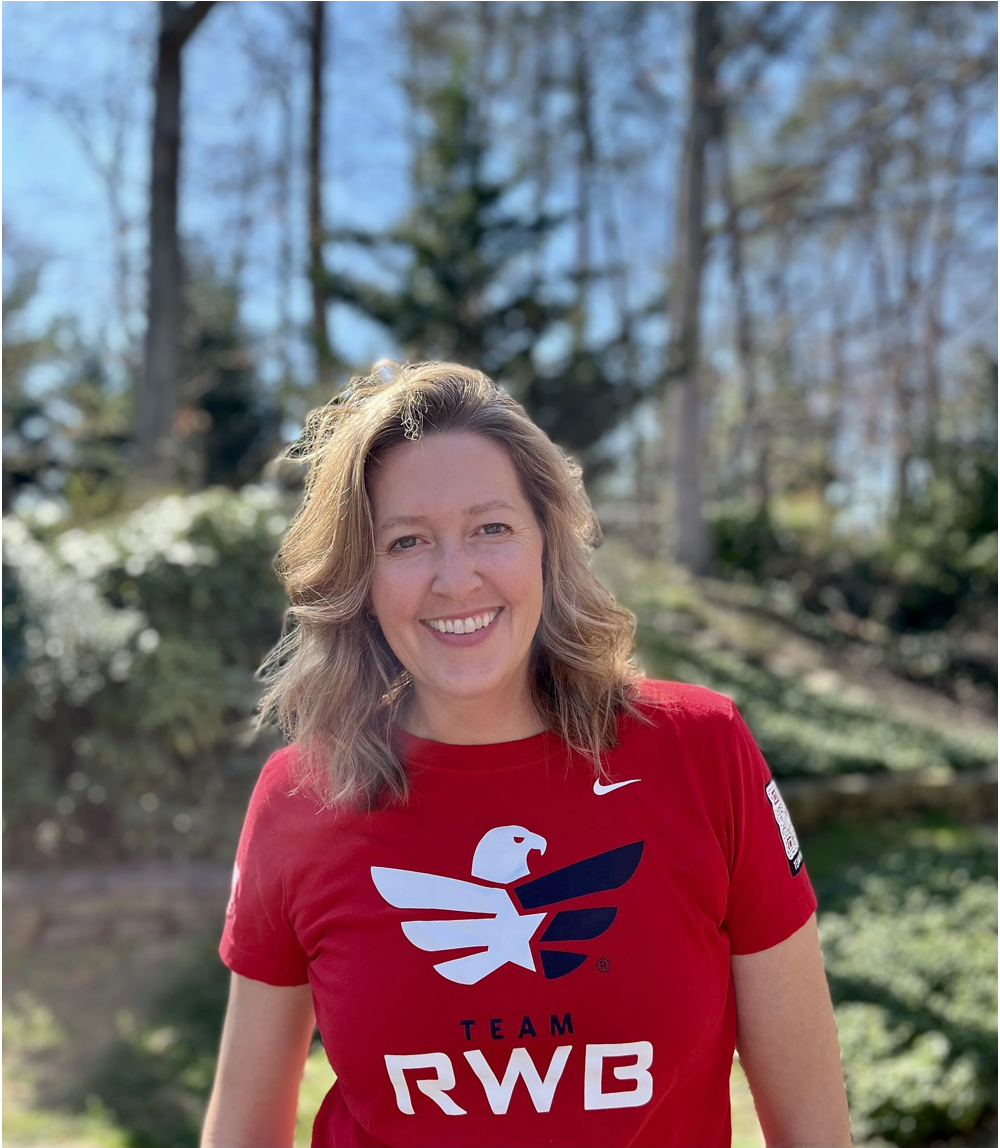

By Sarah Pflugradt, PhD, RDN, CSCS
If the word “diet” brings up visions of salads and rice cakes, then it’s time to change your perception of what it means to eat for weight loss. For many years, there was a misconception that weight loss was the result of a calories-in < calories-out equation.
One of the most commonly asked questions to dietitians is “How do I lose weight?”
The answer isn’t simple, unfortunately, but there are a few tried-and-true dietary practices that can help you lose weight without feeling like you’re starving. It’s important to have an energy deficit to lose weight, but it’s not as simple as a math equation. And we now know that it’s more about nutrient quality, than quantity of foods eaten. It should also be understood that one unhealthy food decision out of a sea of healthy decisions doesn’t define your ability to lose weight.
You may hear a lot about “burning calories,” which can help you lose weight, but in reality, you want to put your body into a fat-burning state, which is when you start to lose weight.
Without getting into nutrition yet, a good understanding of how you can make your body more efficient at burning fat can set you up for success. First things first, educate yourself on how many calories you should be eating each day.
Calorie Requirements
It’s important to understand how many calories you should be consuming. This is different for everyone and not something you need to track, but it gives context to everything you eat. Remember, it’s not all about calories, but energy production is a huge part of keeping your metabolism running efficiently (read about your metabolism in Part One). Feed the machine (that’s you) what it needs in the right amounts. Surprisingly, a common mistake many people make when trying to lose weight is not eating enough.
To get an estimate, go here: NASM Calculator
This is simply an estimate, but will give you a place to start. Your daily caloric need is made up of three things: Your basal metabolic rate, physical activity, and thermic effect of food. Your basal metabolic rate is the energy needed to sustain your vital processes, like breathing, maintaining core temperature, heart contraction, etc. Physical activity varies from person to person and the thermic effect of food is the energy needed to digest and absorb your food.
Find Your Calorie Burn
Your calorie requirement is your context, but how do you put yourself in a state of calorie burn? You may recall from Part One on metabolism that there are specific physical activity changes you can make and also dietary changes to start tweaking your metabolism and bioenergetics. Here are four ways you can start increasing your calorie burn.
Build muscle: In part one, this was explained, but here’s a summary. Muscle is metabolically active, which means it burns calories at rest. Build more muscle, burn more calories.
Perform low-intensity, longer-duration exercise: In a nutshell, high-intensity exercise burns mainly carbohydrates because your body needs ATP quickly. But, when you slow it down, your body actually prefers to use fat for fuel.
Increase protein: This was also mentioned in part one, but it doesn’t mean to cut out carbs (spoiler alert for part three—they’re important for weight loss), but it means that your body burns more energy digesting and absorbing protein than it does carbohydrates and fat, so increasing your protein can give your body a little boost on the calorie burn. It’s not huge, but every little bit helps.
Caffeine: This is not an excuse to get the Venti cold brew, but an extra cup of green tea or black coffee—about 100mg of caffeine or less—may help to boost your fat burning. Combine this with exercise and you’ve got yourself a good combo. Just make sure that extra caffeine doesn’t interfere with restful sleep.
Bottom Line
Losing weight is hard, and there is no one right way to do it. However, finding small microhabits that you can build into your routine may give you an advantage and help you reach your goals successfully.
Want to level up your nutrition game?
Join the Nutrition Group in the Team RWB app to connect with service members from all branches and eras. They share recipes, tips, and information. They also provide support as you work to achieve your fitness goals.
Sarah Pflugradt is a registered dietitian with a specialization in human performance. She is an Air Force vet, a military spouse, and a health promotion professor at American University in Washington D.C. She spends her free time cooking, writing, and watching her 3 kids compete in sports.