
Weight Management for Life Series | Part One: Metabolism
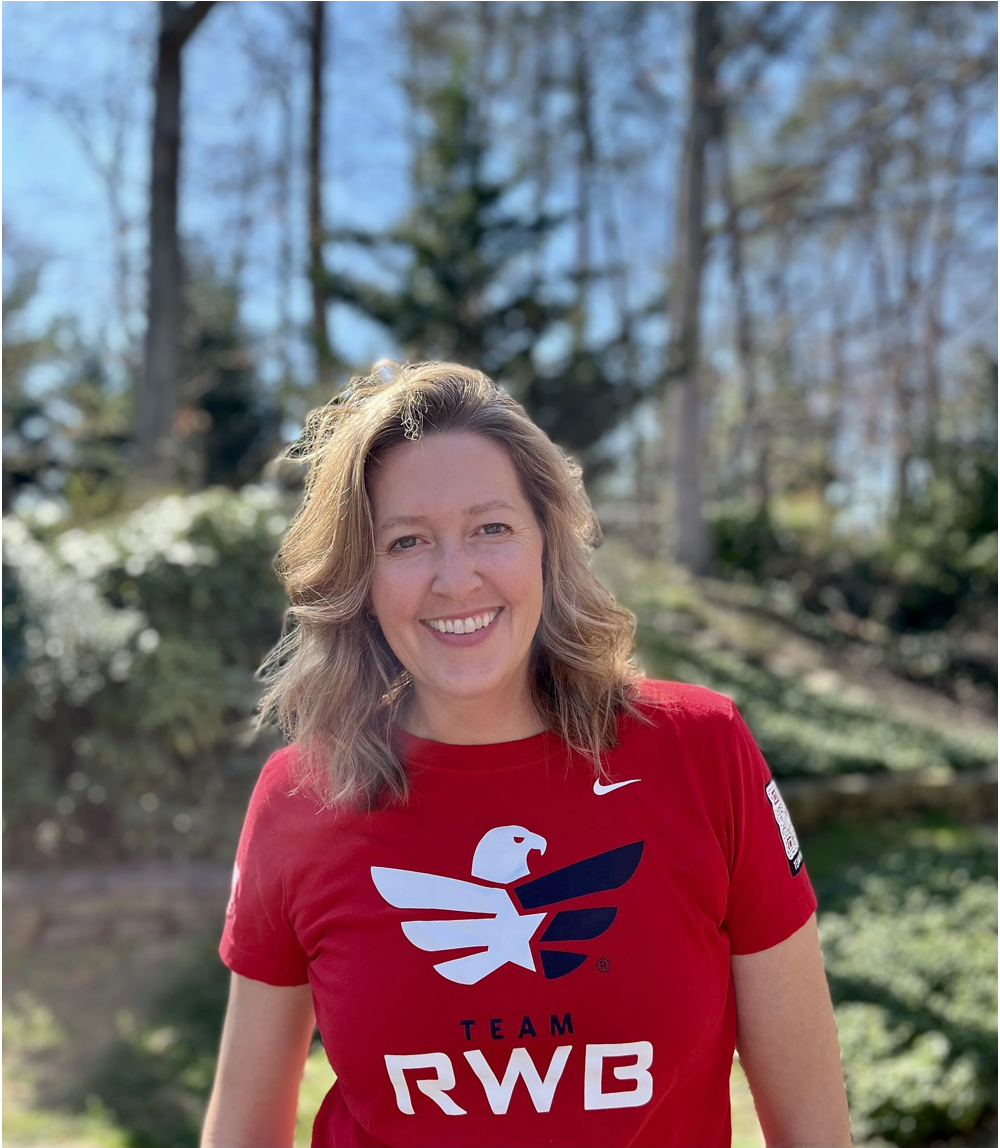
By Sarah Pflugradt, PhD, RDN, CSCS
When you hear the word “metabolism,” what comes to mind? Maybe you think fast or slow, or dream of the metabolism of your youth, as everyone tells you, “It’s not you, you just have a slow metabolism,” as you work toward losing those last 20 pounds.
If that sounds familiar, you’re not alone. Your personal metabolic rate significantly affects your weight and your ability to gain or lose it. However, it’s not your destiny and while you’ll never burn energy like you did in your teens, you can do a lot to help your body efficiently use fuel.
What is Metabolism?
In simple terms, your metabolism is all of the processes in your body, including all building and breaking down. Often confused with metabolism is a term called bioenergetics, which is the process of converting food into energy production. We consume calories from three different sources, carbohydrates, proteins and fats (macronutrients). Vitamins and minerals (micronutrients) don’t provide energy, but they are vital to the process of bioenergetics.
When you eat, everything is broken down into smaller components to eventually be used to make ATP, which is a form of energy used by all cells in the body, including your muscles. For example, carbohydrates are broken down into individual molecules of glucose and proteins are broken down into amino acids. Eventually, each of our macronutrients is broken down to go through its respective energy-production pathway to produce ATP with the help of micronutrients—that’s bioenergetics!
The Glory Days of a “Fast” Metabolism
If you can tell stories of the days when you could eat anything and not gain a pound, but now just looking at the food adds weight to the scale, then you also might recall having a “faster” metabolism. In some ways, this is true and also an oversimplification of bioenergetics.
In your younger years, during periods of growth, high cell turnover and hormone production, and higher muscle mass, your body was working at a higher resting energy expenditure—it was, in fact, burning energy faster and more efficiently to keep up with the energy demands of the body. Once those rapid periods of growth are done, which is typically late teens for women and early 20s for men, you may start to experience periods of weight gain. For some, this is slow and for others, more rapid. Add genetics, pregnancy, disability, and illness to this, and it can happen even quicker.
How to “Boost Your Metabolism”
Your metabolism isn’t broken; you just need to make small tweaks to start burning more energy relative to what you’re consuming.
Upping the Calorie Burn
There are a few things you can do today to help your body increase your resting energy expenditure.
Build muscle. Muscle is metabolically active, which means it helps burn energy. It can boost your energy expenditure, even at rest.
Eat more protein. Your body burns calories through the process of digestion, coined diet-induced thermogenesis. Of the three macronutrients, your body expends more energy to digest and absorb protein, making it the most thermogenic nutrient.
Be busy. Fidgeting, pacing, writing, cleaning, cooking—they all fall into the category of Non-Exercise Activity Thermogenesis (NEAT), which is anything that keeps you from simply being sedentary, and you naturally burn more energy.
Bottom Line
As you age, you may naturally move less, lose muscle mass, and your diet may change. You may also have stages or periods of life when you are more likely to be less active, such as pregnancy, illness, or injury, which can lead to weight gain. And of course, let’s not forget about stress and hormone shifts. That doesn’t mean you are destined to be unhappy about your weight. There are ways to work with your body right now to boost your energy expenditure. Along with other lifestyle changes, you’ll be well on your way to reaching your goals.
Want to level up your nutrition game?
Join the Nutrition Group in the Team RWB app to connect with service members from all branches and eras. They share recipes, tips, and information. They also provide support as you work to achieve your fitness goals.
Sarah Pflugradt is a registered dietitian with a specialization in human performance. She is an Air Force vet, a military spouse, and a health promotion professor at American University in Washington D.C. She spends her free time cooking, writing, and watching her 3 kids compete in sports.