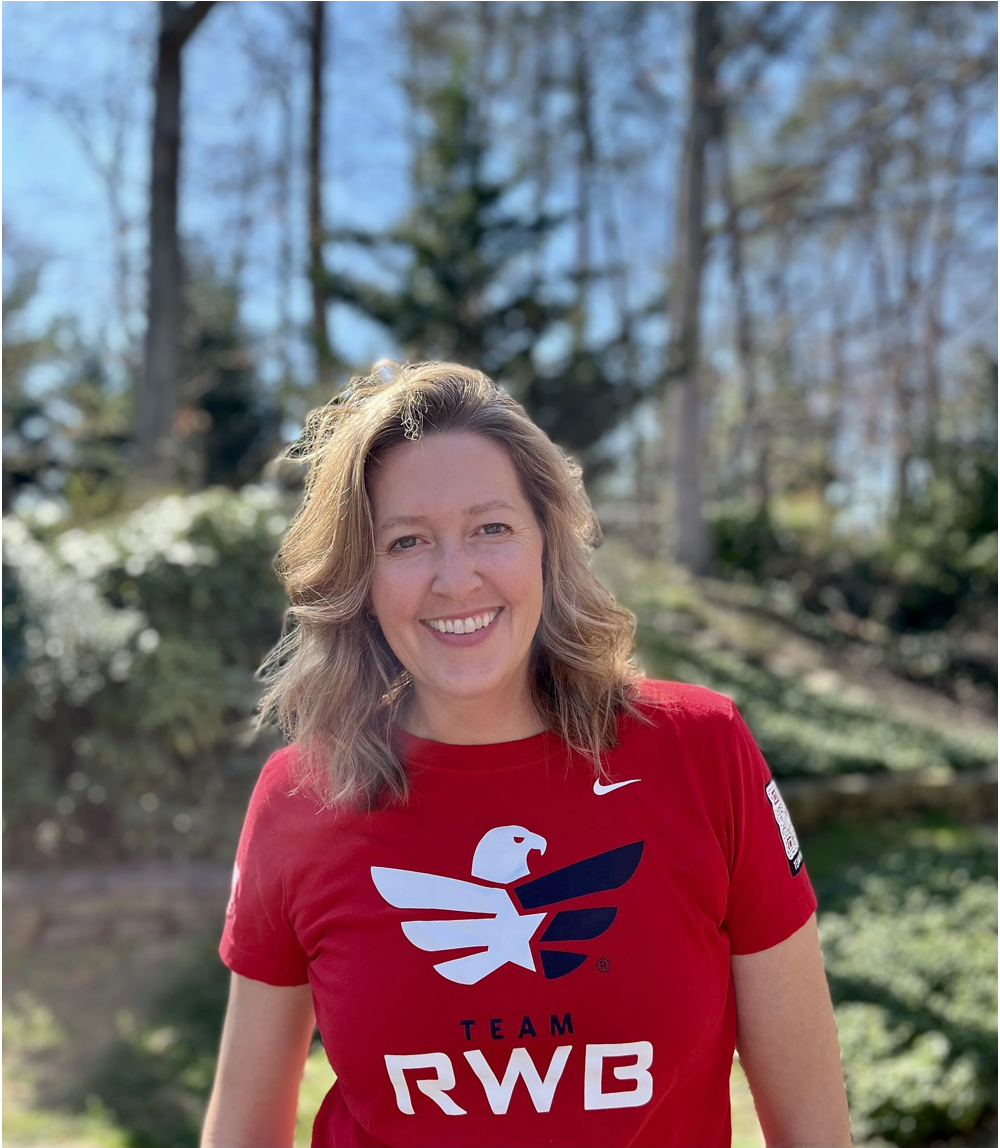

By Sarah Pflugradt, PhD, RDN, CSCS
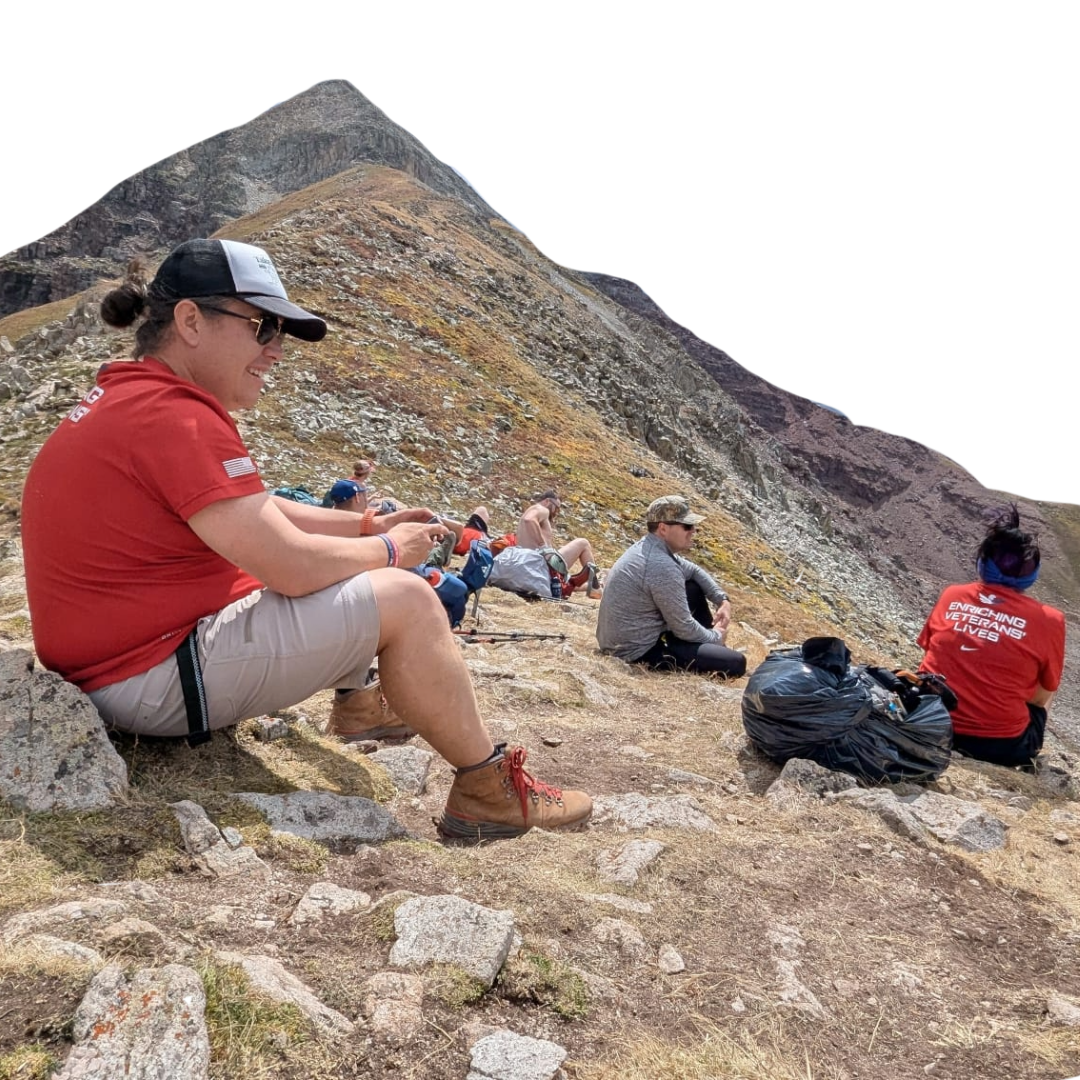
There is no such thing as a panacea when it comes to health, but physical activity comes pretty close. It has the potential to strengthen every part of your body, from your brain to your legs and everything in between. While it’s possible to lose weight without exercise, you don’t want to—here’s why:
Energy Burn
The obvious and most common way to burn off extra energy (fat) in the body is through physical activity. It’s a misconception that you have to do hours of high-intensity exercise every day to lose weight. In fact, low- and moderate-intensity sustained exercise will help your body burn fat just as much when done consistently. High intensity exercise has its role in helping to improve VO2max, strengthening your heart, and training for specific goals, but it’s not something that must be, or even should be, done every day. Movement requires energy, period. All movement counts, so get out there and move if you want to accelerate your weight loss.
Building Muscle
As mentioned in earlier articles in this series, building muscle can increase your body’s ability to burn more calories. The more muscle you have, the greater the percentage of energy used at rest. Building muscle is not only about helping you lose weight, but also about changing your body composition. Multiple studies point to other health benefits from strength training, such as cognitive benefits, improving blood sugar, and improving balance and mobility. Building muscle and improving strength comes in all forms, from body weight exercises like push ups and squats, to yoga and pilates, to mastering machines and free weights at the gym.
Antioxidant Adaptations
Exercise is considered a stressor on the body and causes inflammation. Unchecked, chronic inflammation can damage your body’s cells. This seems terrible, but exercise-induced inflammation is necessary for adaptation to occur. We all have a natural antioxidant system. It’s there to keep natural inflammation in check—the kind that comes from things like daily physical, mental, and environmental stressors, sleep deprivation, and illness. When we exercise and create inflammation, our body amps up our natural antioxidant system, allowing it to promote long-term effects, which can then be beneficial for other parts of the body. Think of it as your own natural enhancement. Carrying extra weight can cause your body to be more inflamed, and even more so if there’s a chronic condition present, such as type 2 diabetes or heart disease. So, give your body the boost of natural antioxidants with exercise to help combat potential cell damage.
Mental Health
There is strong evidence to support the role of physical activity and exercise on reducing stress, anxiety, and depressive symptoms. It can also lower cortisol levels, which is the hormone that is elevated when our body is under stress. Higher cortisol is linked to weight gain. When mental health suffers or stress is high, this can cause a cascade of hormonal changes and dietary inhibitions that can cause weight gain. This may be one of the least recognized, but most vital parts of your health to improve, but in doing so, may heal some of the underlying factors that are halting your weight loss efforts.
The Bottom Line
While weight loss may be your motivator for getting some daily movement, the health benefits extend well beyond that. Of course, getting some physical activity may help you burn off excess energy, but it can also improve underlying factors that might be making weight loss hard for you, such as chronic stress, low muscle mass, and inflammation. You don’t need to perform high-intensity exercise every day. Switch it up and get in both cardio and strength training. And do what you enjoy, because it’s a lifelong habit.
Want to level up your nutrition game?
Join the Nutrition Group in the Team RWB app to connect with service members from all branches and eras. They share recipes, tips, and information. They also provide support as you work to achieve your fitness goals.
Sarah Pflugradt is a registered dietitian with a specialization in human performance. She is an Air Force vet, a military spouse, and a health promotion professor at American University in Washington D.C. She spends her free time cooking, writing, and watching her 3 kids compete in sports.