

Daily Mobility Reset: 5 Movements for Easier Days
By Tatiana Aracena, DC | Optimum Care Chiropractic, LLC
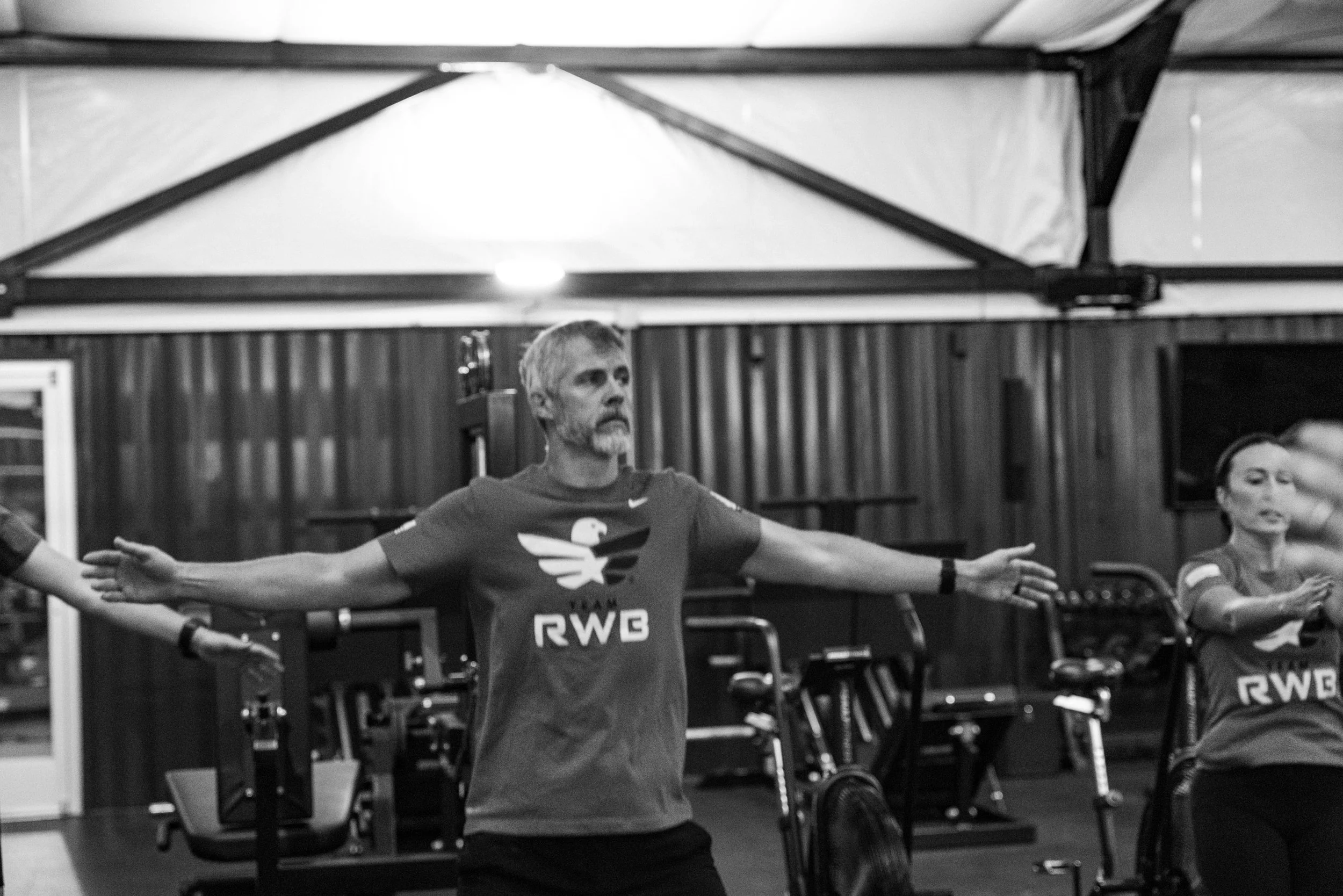
Daily aches and stiffness aren’t a sign that your body is failing or that aging alone is to blame. For many veterans, pain and stiffness are rooted in the physical demands of military service. After service, daily habits such long hours sitting, repetitive movements, or physically demanding work can layer additional stress onto an already adapted system. As a chiropractor and a wife of a veteran, I know firsthand how the physical demands of military service can have a lasting effect on the body. I have worked with countless veterans from a wide range of activity levels who experience tightness, discomfort and reduced mobility as their bodies adapt to the physical demands of daily life and prior military service. This does not mean we cannot make positive, meaningful changes in everyday life.
This Daily Mobility Reset is designed to be simple, practical, and realistic. These five movements take only a few minutes and are meant to support how your body moves during everyday activities like driving, working, exercising, and walking. You don’t need special equipment, and you don’t need to push through pain.
1. Cervical CARS (Controlled Articular Rotations)
How to do it:
Perform 3–5 slow, controlled circles with your neck in each direction. Move only within a comfortable range and avoid forcing the motion. The key here is to perform this slowly and take your neck through its full range of motion.
Why it matters in daily life:
Your neck is constantly stressed by posture. Whether due to looking at screens, driving, or wearing gear. Cervical CARS move the neck through its full range, which helps keep the joints healthy and reduce stiffness from daily posture and stress. This can make activities like checking blind spots while driving or turning your head during daily tasks feel easier.
2. Bruegger’s Relief Position
How to do it:
Perform 5–10 repetitions. Sit or stand tall, let your arms rest at your sides with a bend in the elbows, then rotate them outward so the palms face towards the ceiling. Allow your shoulders to drop down and back naturally. The chest opens as a result of the arm and shoulder position. Hold for about 5 seconds before relaxing.
Why it matters in daily life:
Many veterans develop rounded shoulders and a forward head posture from desk work, phone use, or long periods of sitting. This reset helps counter those positions and reduce neck and upper-back tension, improving comfort during work and driving.
3. Seated Thoracic Rotation
How to do it:
While seated, rotate your upper back gently to one side, then the other. Perform 5–8 controlled reps per side.
Why it matters in daily life:
When the upper back becomes stiff, the neck and lower back often compensate. Improving thoracic rotation supports healthier movement patterns for reaching, twisting, and walking.
4. Standing Hip Circles (With or Without a Chair)
How to do it:
Perform 5–8 slow, controlled circles per side. Hold onto a chair or wall if you need balance.
Why it matters in daily life:
Your hips are central to walking, squatting, lifting, and balance. Keeping them mobile helps protect the knees and lower back, especially for those who sit or stand for long periods.
5. Ankle Pumps
How to do it:
Sit or lie down with your legs extended or feet flat on the floor. Pull your toes up toward your shins (dorsiflexion) and then point your toes away (plantar flexion) as if pressing a gas pedal. Pump your ankles up and down for 15–20 repetitions per side.
Why it matters in daily life:
Ankle movement supports circulation, balance, and a steady walking pattern. Limited ankle motion can inversely affect the knees and hips. This movement is especially helpful after long periods of sitting or travel.
This daily routine is not about forcing flexibility or pushing through pain. It is about maintaining joint health and supporting the movements your body relies on every day. Consistency matters more than intensity.
If you have ongoing pain, past injuries, or questions about how to modify these movements, consulting with a chiropractor can help ensure you are moving safely and effectively.
Want more tips and challenges like this?
Join the Mind Body Wellness Group in the Team RWB App. It has the community and resources you need to prioritize your health and wellness.
About the Author:
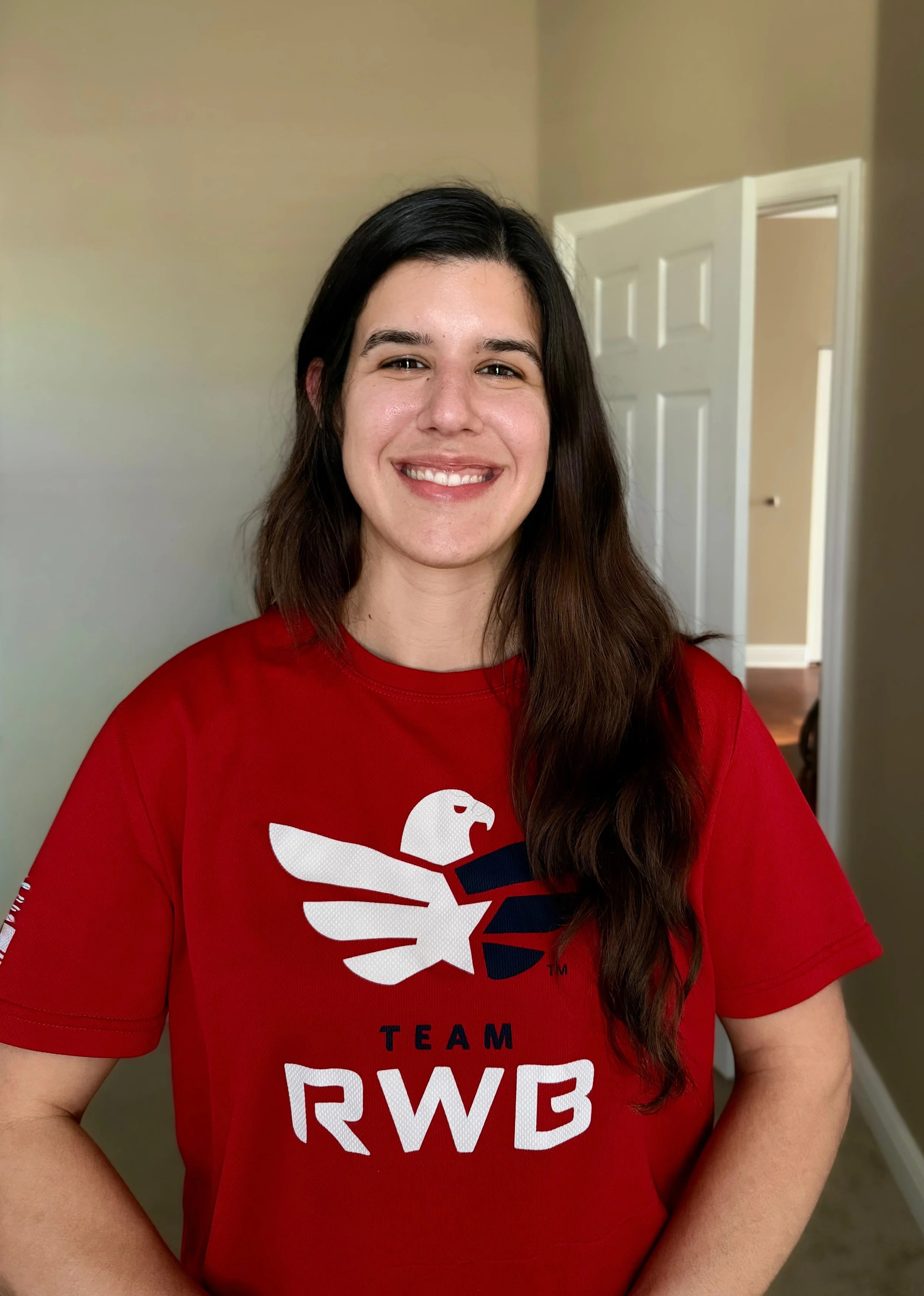
Dr. Tatiana Aracena, DC is a licensed chiropractor and a 2020 graduate of Palmer College of Chiropractic. She is acupuncture-certified and is currently completing a 300-hour chiropractic neurodiplomate program through the Clinical Neurosciences Institute, with board eligibility expected in 2026.
Born and raised in Crystal River, Florida, she earned her Bachelor of Health Science degree from the University of Florida. Dr. Aracena is a mom, the spouse of a veteran, and an active member of the Team RWB Daytona Chapter. She enjoys running and functional fitness training and brings a movement-focused perspective to her care. Her hands-on approach emphasizes restoring spinal motion, improving posture and biomechanics, and helping patients move and function at their best.
Optimum Care Chiropractic, LLC