

How Heavy Should Your Ruck Be?
Dialing in the right weight for performance, endurance, and durability
By Michael DeGreave
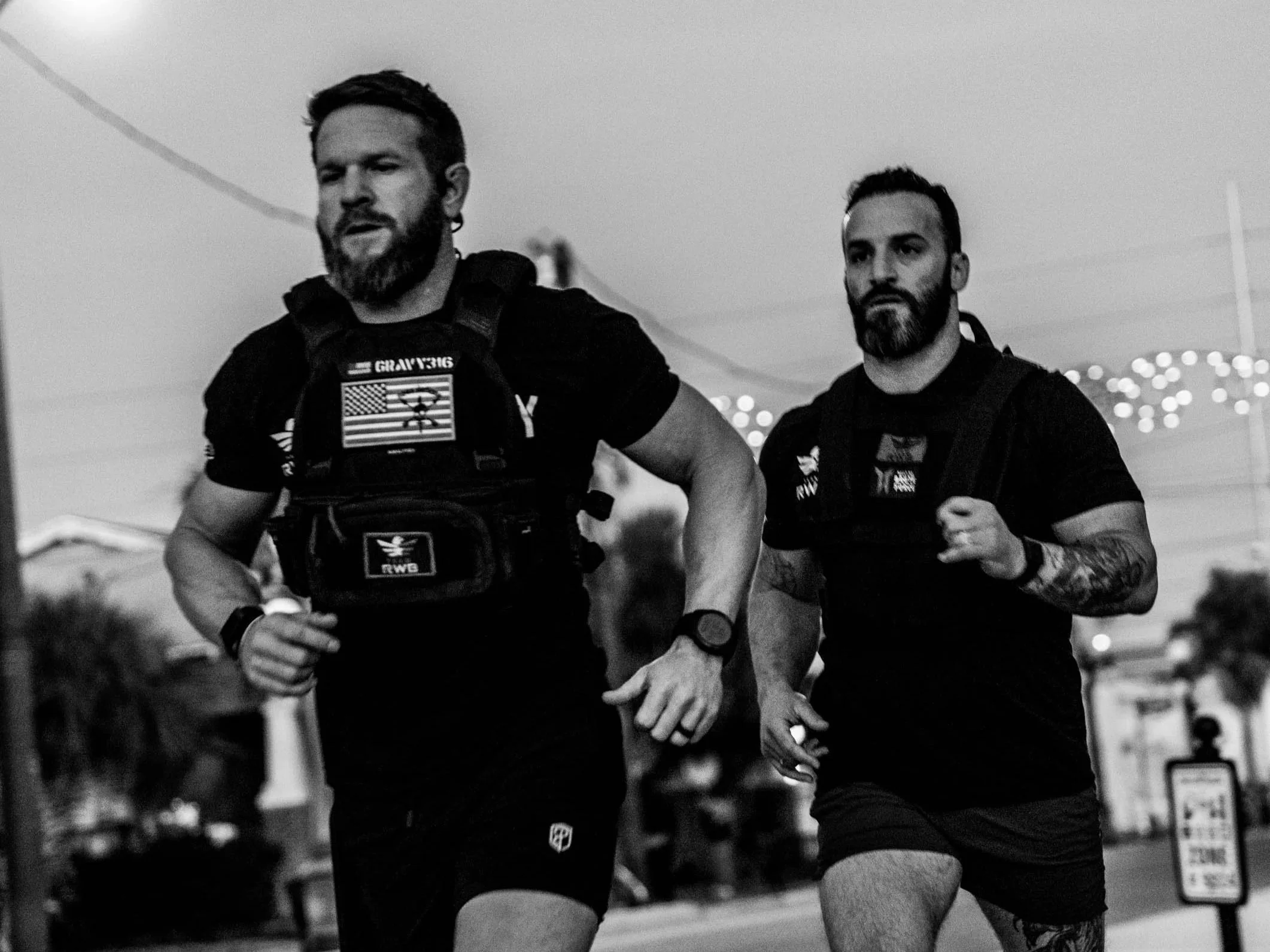
Ruckers, one of the most common questions we hear is simple: how heavy should your ruck actually be? It’s a great question—and the answer depends on your experience level, your goals, and how you’re using rucking in your training.
Whether you're preparing for a selection event, building endurance for long hikes, or pushing yourself in something like Operation OverLOAD, choosing the right ruck weight can make the difference between steady progress and unnecessary injury.
In this guide, we’ll break down practical weight guidelines, how to scale from beginner to advanced levels, and how to choose the right load based on your goals. We’ll also cover some common mistakes that can hold ruckers back.
Strap in—let’s get after it.
Use Bodyweight as Your Baseline
The easiest way to determine an appropriate ruck weight is to start with a percentage of your body weight.
For most people, the sweet spot falls somewhere between 10–30% of bodyweight, depending on experience and conditioning.
Here’s a general guideline:
Beginner: 10–15% of bodyweight
Intermediate: 15–25% of bodyweight
Advanced: 25–30% of bodyweight
For example, a 200-pound athlete might start with a 20–30 pound ruck, gradually building toward 40–60 pounds as their strength and endurance improve.
Starting lighter allows you to build proper posture, stride mechanics, and durability before increasing the load.
Progress From Beginner to Advanced
Rucking is deceptively simple—but the load places serious demand on your hips, knees, ankles, and lower back.
If you jump straight into heavy loads, you’re increasing the risk of overuse injuries.
A smarter strategy is gradual progression.
Begin with shorter rucks and lighter weight. Once your body adapts, increase one variable at a time:
Add 5–10 pounds to the pack
Increase distance by 1–2 miles
Add terrain difficulty like hills or trails
Over time, your body will develop the strength and endurance necessary to handle heavier loads safely.
Choose Weight Based on Your Goal
Not every ruck session needs to be heavy. In fact, the best programs rotate between different loads depending on the training goal.
Here are some simple guidelines.
For endurance and long-distance work:
Use 10–20% of bodyweight and focus on maintaining pace over distance.
For strength and load-bearing training:
Use 20–30% of bodyweight with shorter distances.
For events or selection preparation:
Train close to the event standard weight so your body adapts to the demand.
The key is understanding that rucking isn’t always about carrying the heaviest load possible. Sometimes lighter weight and longer distance build better performance.
Avoid These Common Rucking Mistakes
Many ruckers stall their progress because they fall into a few predictable traps.
The most common one is going too heavy too soon. Just because you can load 60 pounds into your pack doesn’t mean you should.
Another mistake is ignoring posture and pack setup. A poorly balanced ruck shifts weight into your lower back and can quickly lead to pain or fatigue.
Finally, some athletes only train with one weight. Mixing lighter endurance rucks with heavier strength-focused sessions will make you far more capable over time.
Train Smart and Let the Load Build You
Rucking is one of the most effective ways to build endurance, resilience, and mental toughness. But like any training method, the right load matters.
Start with a manageable weight. Focus on good posture and consistent training. Progress gradually as your body adapts.
Over time, you’ll notice something powerful happen—what once felt heavy starts to feel normal.
And that’s when the real progress begins.
If you're gearing up for Operation OverLOAD, now is the perfect time to dial in your ruck weight and start building the kind of endurance that carries over into every challenge ahead.
Boots tight. Pack loaded. Time to move.
Want to level up your rucking game?
Download the Team RWB Member App and join our Rucking Activity Group for more training tips and inspiration. Plus, they offer encouragement while you work toward your rucking goals.