

Improving Balance in Veterans: A 14-Day Challenge for Stability and Injury Prevention
Tatiana Aracena, DC
Optimum Care Chiropractic, LLC
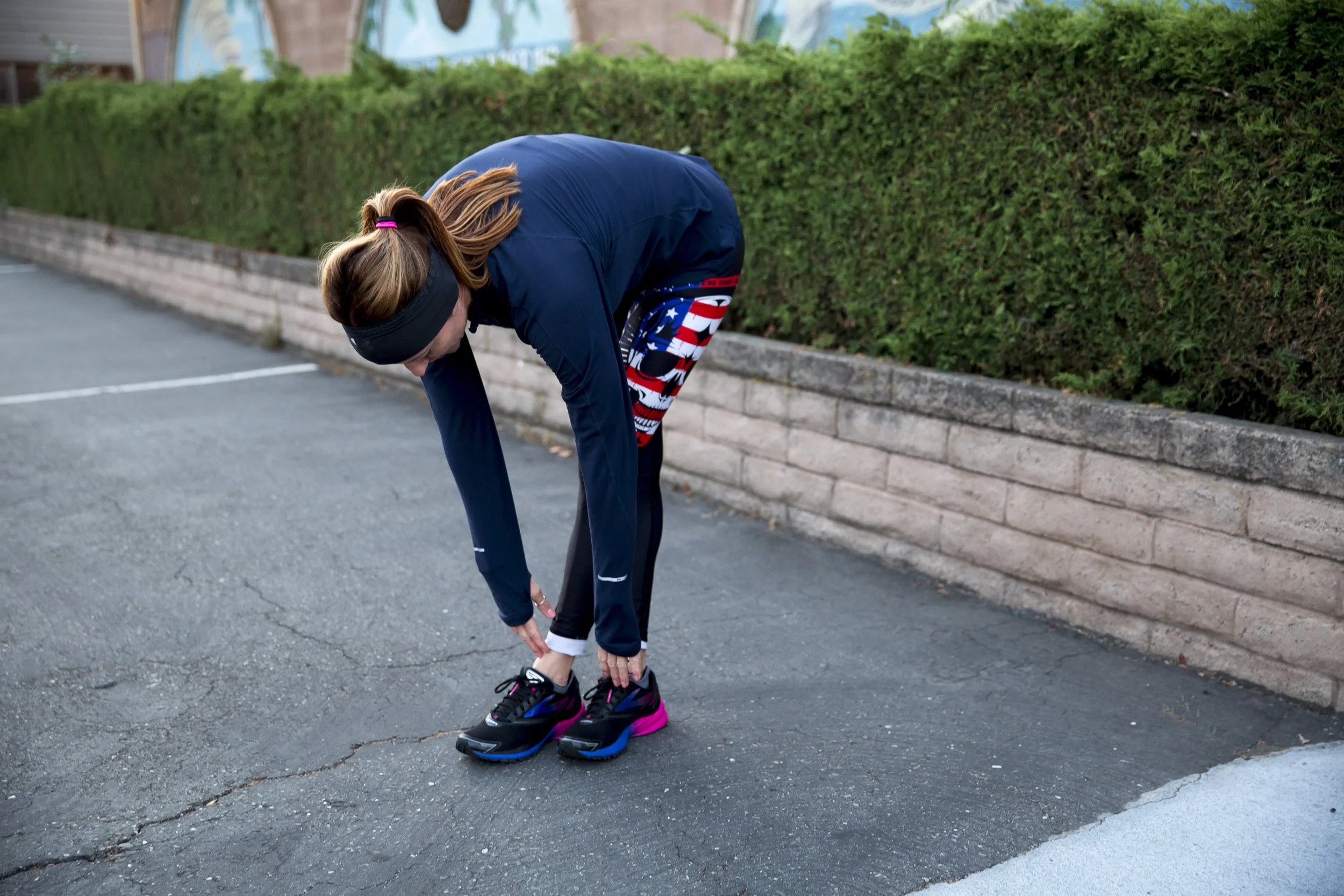
Achieving good balance is an important health goal with many contributing factors. Clinical research has shown that poor balance control can significantly increase injury risk during high intensity activities.1 Inputs within our brain and what we see and physically sense, all contribute to how balance is maintained. In reality, balance is a full body, brain–driven process that requires constant adjustment based on your environment and movement demands.
While some balance impairments may be due to underlying medical or neurological conditions that require further evaluation, many individuals can significantly improve their balance through targeted exercises that train the body and brain to work more efficiently together. In fact, balance exercises performed at a frequency of at least 3 times per week has a larger impact on an older adult’s confidence in performing daily activities without falling and their balance function.2 Improving balance capacity has also been associated with an increased volume in several critical areas of the brain.3
This challenge is intended to draw attention to the concept of balance and introduce easy-to-follow balance exercises studied and designed to help in day-to-day coordination. The following balance circuit requires no equipment and can be completed just about anywhere.
1. Tandem Walk (Heel-to-Toe)
Walk in a straight line, placing the heel of one foot directly in front of the toes of the other.
● 10 controlled steps forward
● Maintain upright posture and steady pace
● Repeat 2-3 rounds
Progression: Slow the pace or perform while turning your head side to side
2. Single-Leg Balance
Stand on one leg while maintaining control and alignment.
● 10 seconds with support
● 10 seconds without support
● Progress up to 30 seconds
● Switch legs
Progression: Perform on soft or uneven surface
3. Single-Leg Balance (Eyes closed)
Remove visual input to challenge proprioception and stability.
● 10 seconds per leg
● Use support as needed
Progression: Perform on soft or uneven surface
4. Heel walking
Walk forward on your heels with toes lifted.
● 10 steps,
● Complete 4 rounds
5. Toe walking
Walk forward on your toes with heels elevated.
● 10 steps
● Complete 4 rounds
6. Tandem Walk (Backward)
Walk backward in a straight line, heel-to-toe.
● 10 controlled steps
● Maintain balance without support
Progression: Slow the pace or perform while turning your head side to side.
Some of these exercises are adapted from the Otago Exercise Program, with modifications to increase challenge and better suit more active individuals.
If these exercises provoke excessive dizziness, imbalance, or other concerning neurologic symptoms, discontinue and seek further evaluation from a healthcare professional to rule out underlying conditions requiring medical attention.
Connect with Team RWB’s Mind-Body Wellness group to engage in movement and activities that empower members to thrive.
References:
1. Brachman A, Kamieniarz A, Michalska J, Pawlowski M, Slomka KJ,
Juras G. Balance Training Programs in Athletes-A Systematic Review.
Journal of Human Kinetics. 2017;58(1):45-64.
doi:https://doi.org/10.1515/hukin-2017-0088
2. Yu H, Zhong J, Li M, Chen S. Effects of exercise intervention on falls and balance function in older adults: a systematic review and meta-analysis. PeerJ. 2025;13:e20190-e20190. doi:https://doi.org/10.7717/peerj.20190
3. Rogge AK, Röder B, Zech A, et al. Balance training improves memory and spatial cognition in healthy adults. Scientific Reports. 2017;7(1). doi:https://doi.org/10.1038/s41598-017-06071-9